We’ll Pick Up Next Week · Vol. 9
How to scare your table this Halloween
Three small moves that build dread without a single monster, a horror cheat sheet from a fellow GM, and the oldest trick in the book.
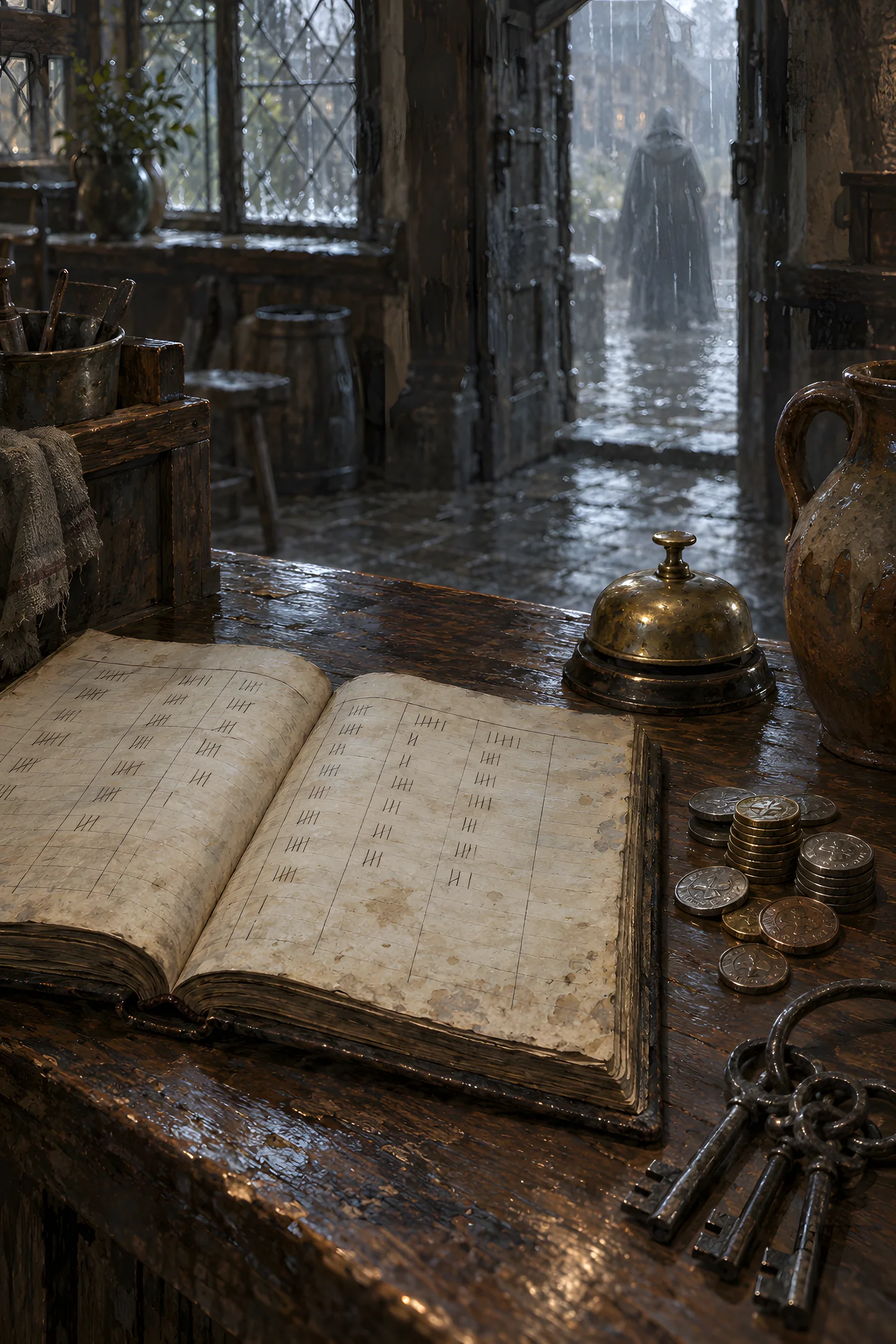
Hey y’all,
Welcome to Volume 9, and welcome back to the workshop.
It’s spooky season, and whether dressing up and horror movies is your vibe or not, I know a bunch of you are running something suspenseful, scary, or darker-themed this week. Maybe it’s a full one-shot or just a creepy detour in your regular campaign. Either way, let’s talk about how to actually make your table nervous.
Horror is one of the hardest things to pull off at the table. You plan the haunted manor, you describe the cobwebs and the creaking floorboards, you play the spooky music, and then somebody makes a Scooby-Doo joke ten minutes in and the whole room relaxes and is laughing. Then the ghost finally shows up, you roll initiative, and it turns into a regular fight with a spooky paint job. Don’t get me wrong, in some ways that’s a great night, but sometimes you want the tension to stick around.
We’ve all run that session, and it’s frustrating, because you can feel how close you came to pulling it off. The good news is that the fix usually has nothing to do with a scarier monster. Most of the time we just show the players everything too fast, and dread needs a little room to grow before it pays off.
The letter · Free, on Substack Subscribe
THE TOOL: three moves for dread
Use them in this order, and give each one some time to sit before you reach for the next one up.
Show them one thing that’s wrong without explaining it. Maybe there’s a bowl of soup still warm on the table in a house nobody has lived in for years, or a line of muddy footprints that walks into a room and never walks back out. Describe it plainly, move on, and don’t answer when they ask you what it means.
Take something away. I don’t mean rob the players (that’s a different type of session we’ll talk about in a few weeks). What I mean is something like the birds stop singing, or the dog that followed them all day won’t cross the bridge, or the lantern oil is lower than it should be. Losing something they already had tends to feel worse than meeting something new. It creates scene-based tension that lingers around.
Start a clock they can see. It could be a candle burning down, a church bell counting the hours, or a stain on the ceiling that’s a little bigger every time someone looks up. They don’t need to know what happens when it runs out. They just need to watch it move.
Ok, cool ideas, but how does that work? I’m so glad you asked. Here’s what that looks like in practice. The party stops for the night at a village chapel on the road home. The candles on the altar are already lit and still fresh, but the priest’s cot is neatly made and clearly hasn’t been slept in for days. When the rogue steps out for firewood, she comes back and mentions that the crickets went quiet, all at once, the second she walked outside. Then at midnight the bell in the tower rings once, even though nobody is up there, and at one o’clock it rings twice. You haven’t rolled a single die, and I’d bet your table is already arguing about whether to leave before it rings three times.
If your players joke through it, let them. Laughing is how people let off pressure when they’re nervous, so a joke usually means it’s working, and you can drop the next “wrong” while they’re still grinning. And before a horror night, take two minutes to ask the table whether there’s anything they don’t want to see, whether that’s spiders, harm to kids, or something else entirely. Adam Wright talked about this kind of check-in back in Volume 7, and it actually makes the scary parts land harder, because everyone trusts the game won’t go somewhere they truly hate.
I’m not saying you need to turn your campaign into a horror game (unless you want to, in which case, go for it). What I’m saying is that one wrong detail, one missing sound, and one clock will usually do more for the mood than a page of monster stats. Try even one of the three this weekend and see what it does to your table.
THE FIND
If you want more ideas for this weekend, Paul at Tabletop Tinker wrote up six ways to make your game more horrifying back in September, and it’s a great companion to this issue. My favorite is the old horror movie rule that if you don’t see it die, it isn’t dead, which means the thing the party just beat might be quietly putting itself back together while they loot the room. He also has a cult that rings a bell to send its followers into a frenzy, which would fit right into that chapel I mentioned. Paul writes short, practical posts you can read in about three minutes and use the same night. Go read it, then subscribe while you’re there. It’s free: Tabletop Tinker.
ALSO WORTH YOUR INBOX
GM Mastery: CampaignCraft. Johnn Four has been writing advice for GMs for a long time, and his Halloween post is about one technique he leans on whenever he runs something scary. Give the players every detail their characters would notice, but never tell them what any of it means. He calls it denying them meaning, and his example is a corridor with a voice that hisses from the wall, a blind corner, and red marks that might be arterial spray. None of it tells you anything for certain, which is exactly why it’s scary: GM Mastery.
FROM THE WORKSHOP
If someone at your table wants to play a character who’s in deep with something strange, The Dreaming Court is a free warlock subclass we just put out. The patron is a parliament of dreams, and signing on with it is a lot like taking a job, because the Court keeps its warlocks busy running errands in the waking world. It’s free, or pay what you want: The Dreaming Court.
The always free stuff: The Night’s Ledger, which is two quick prep sheets for game night; the Player Cheat Cards, which keep the rules accessible in a player’s hand instead of in three different books; The Sundered Page, our whole one-page game you can run tonight; and the Encounter Complications sample, six cards from the deck so your table can try it out. Grab them at The Night’s Ledger, Player Cheat Cards, The Sundered Page, and six-card sample.
The entire shelf of free and paid stuff all lives at sleepersartifice.com.
Thanks for hanging with me this week. If this was useful, forward it to someone at your table. That’s how this thing grows. And if you write a newsletter too and this feels like a fit, hit reply. I’m always looking for good neighbors to recommend. We’ll pick up next week.
-J
